


Dawn of Ages: total war battle
4.5524.00 Reviews
App Specs
- Version
- 2.17.1.2
- Updated On
- License
- Free
- Downloads
- 1,000,000+
- Developer
- BoomBit Games
- Categories
- Strategy
- Platform
- Android
Screenshots
 Analysis by AppCompare
I judge a strategy game by what happens after its opening hours: does it give me reasons to return, or does the novelty wear off once the early progress slows? Dawn of Ages: total war battle caught my attention with its medieval setting and mix of empire management and battles. My first impression is that it offers more to think about than a quick, disposable match, though its longer-term appeal depends on enjoying a steady cycle of planning, building, and competing.
Why the first week has a strong pull
The early appeal comes from having several kinds of decisions in front of me. I can think about how to develop my settlement, weigh resource needs against future plans, and then approach battles as a test of those choices. That variety helps the game feel less like a sequence of identical fights. The medieval theme gives those decisions a clear identity, while the strategy focus rewards players who like to pause and consider what to do next rather than simply tap through encounters.
For a realistic everyday session, I can imagine opening the game after dinner, checking the state of my settlement, deciding whether my next priority is growth or preparation, and taking on a battle when I have time to focus. That is a better fit than trying to squeeze the whole experience into a few distracted seconds. The useful habit is to choose one goal before a session—such as improving the economy or preparing for a particular challenge—so that resource spending feels deliberate instead of reactive.
The first stretch should suit players who enjoy visible progress and the feeling of shaping a realm, but I would not recommend it to someone looking only for a brief arcade diversion. Even when a battle is exciting, the appeal is tied to the larger strategic loop. If I want a game that asks for no planning and gives me a complete experience in a tiny burst, a straightforward puzzle or action game would be a more natural choice.
What keeps it interesting from month to month
The strongest reason to stay is the way settlement decisions and combat can support each other. A battle is more satisfying when I have thought about what I am building toward, and development feels more purposeful when it prepares me for something beyond the next upgrade. That connection is more durable than novelty alone: it gives me a reason to revisit my plans and adjust them as the game progresses.
At the same time, long-term value is personal. Players who like gradual advancement can find satisfaction in returning to a developing empire, while anyone who needs a complete new twist in every session may find the familiar management-and-battle cycle less compelling over time. I would treat it as a game to keep in rotation rather than assume it must become a daily obligation. Returning when I have the attention for a meaningful decision is likely to feel better than checking in automatically without a plan.
Its multiplayer angle may add another source of purpose for players who enjoy coordinating with other people. Alliances can make strategy feel social rather than solitary, but that also changes the nature of the commitment: other players may bring expectations around communication and cooperation. If I prefer to play entirely at my own pace, I would approach the social side selectively and avoid treating every alliance interaction as something I must keep up with.
Worth Reading Before You Choose

EA SPORTS FC Mobile 26 Is a Bigger Football Game, but It Takes Time

Flipboard Shows What News Apps Must Do Beyond the Feed

Switching to Android Auto Means Rethinking Your Driving Routine

Google Calendar Makes a Crowded Week Easier to Manage

Ludo King Makes the Most of the Minutes Between Plans

Baby Panda World Brings Quick Play to Modern Phones, but Its Game Library Feels Busy
How much attention it asks for
This is not the kind of strategy game I would choose when I have no mental room left. Resource management works best when I can remember what I am saving for and compare that with the needs of my settlement. A small practical tip is to decide on a priority before spending: if I am trying to strengthen future progress, scattering resources across several tempting upgrades can make it harder to see what my choices accomplished.
It also helps to separate focused play from casual checking. When I have time, I can think through development and battles; when I only have a moment, I can avoid making a consequential choice just to feel productive. That distinction matters in games built around ongoing progression, because a habit of opening the app without a clear purpose can turn a hobby into maintenance. I would keep sessions intentional and stop when I have completed the decision I came to make.
There are trade-offs to the layered structure. Settlement management gives battles context, but it also means the game may feel slower to someone who wants combat alone. Multiplayer can create a sense of shared purpose, but social coordination is not automatically a benefit for players who prefer quiet, independent play. The right way to approach it depends on whether those connected systems sound appealing, not simply on how much content a strategy game seems to offer.
Immersive World and Gripping Battles
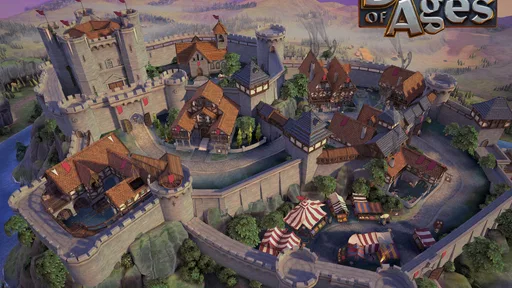
First off, the world-building in Dawn of Ages: total war battle is something else. Picture this: you're a ruler in ancient times, and it's your job to build an empire that stands the test of time. The game starts you off with a modest settlement, and you're tasked with expanding it into a sprawling kingdom. The graphics are top-notch, making every battle and building feel lifelike. I often find myself just zooming in to appreciate the intricate details.
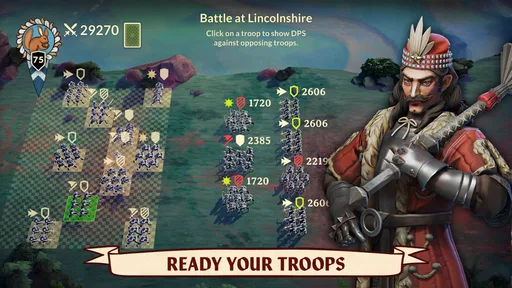
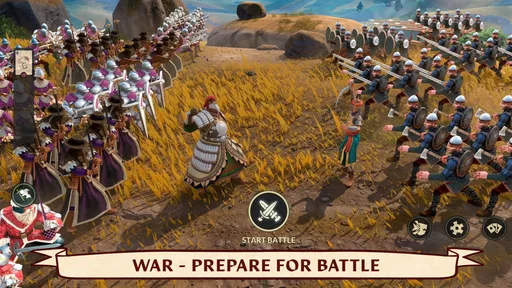
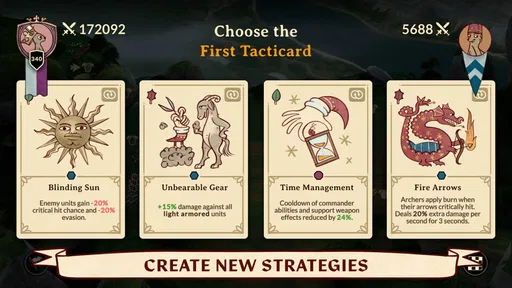
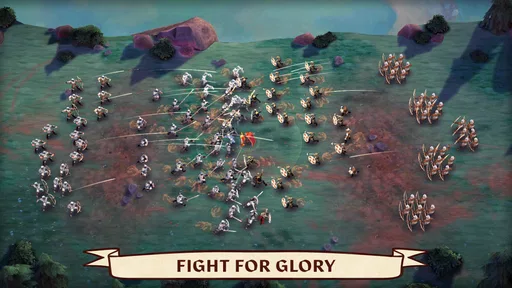
The battles in the game are a real treat. If you've got a knack for strategy, you'll love how it lets you command your troops in real-time battles. The thrill of outsmarting your opponent is addictive, and each victory feels well-earned. It's like playing chess, but with way more action and a lot of history mixed in.
Building and Managing Your Empire
Now, onto one of my favorite parts: building and managing your empire. You start with the basics—farms, barracks, and marketplaces. As you progress, you unlock more advanced buildings and technologies. It's this gradual progression that keeps you hooked. There's a certain satisfaction in watching your empire grow from a small village to a mighty kingdom.
Resource management is key here. Balancing your resources while keeping your citizens happy is a challenge, but it’s all part of the fun. I found myself constantly strategizing to ensure I had enough resources for my next big move. It's like a giant puzzle, and every piece you place contributes to your empire's prosperity.
Engaging Multiplayer Experience
What really sets Dawn of Ages: total war battle apart is its multiplayer aspect. You can form alliances with other players, which adds a social element to the game. There's nothing quite like teaming up with friends to take down a common enemy. It brings a sense of camaraderie and competition that keeps things exciting.
The alliance system allows you to chat with your allies, plan strategies, and even trade resources. It’s a great way to meet like-minded players from around the world and make new friends. Plus, it adds a layer of strategy as you coordinate with others to achieve common goals.
For anyone deciding whether it fits their routine, the basic practical answer is that it is free to start, while optional in-app purchases range from $0.99 to $99.99 per item. I would go in with a personal spending limit rather than treating purchases as necessary shortcuts. That makes it easier to judge the game on its strategy and progression, and to avoid spending simply because a particular moment feels slow.
Regular Updates and Community Engagement
One thing I really appreciate about this game is how the developers are constantly updating it. They actively listen to the community's feedback and make improvements accordingly. New content drops regularly, keeping the game fresh and engaging. It's nice to know the developers are committed to making the game the best it can be.
The community itself is pretty active and supportive. Whether you're a newbie or a seasoned player, there's always someone ready to help you out or engage in friendly banter. The forums and social media pages are buzzing with tips, tricks, and discussions about the game.
For context, this is a free strategy game from BoomBit Games, released on May 8, 2024, and its current version is 2.17.1.2. It has a 4.5 average from around 37,000 ratings, with over 1 million installs. Those figures suggest that it has found a substantial audience, but they do not tell me whether its particular rhythm will suit every player. The Teen content rating is another useful point for families considering who should play; I would still make that choice based on the game itself and the preferences of the person using it.
Compared with a typical strategy game centered mainly on quick battles, this one asks me to care about the settlement and resource choices around those encounters. Compared with a purely empire-building game, its real-time combat offers a more direct test of preparation. That blend is its main distinction, but it is also the key trade-off: someone who wants only one of those elements may be happier with a more specialized alternative. I would choose this when I want both long-range planning and an active battlefield, not when I want a single, uncomplicated mode of play.
Final Thoughts
In a world where mobile games can often feel repetitive, Dawn of Ages: total war battle stands out with its depth and complexity. It's more than just a game; it's an experience that challenges your strategic thinking and offers endless hours of entertainment. Whether you're a history buff, a strategy enthusiast, or just looking for a new game to sink your teeth into, this one is definitely worth checking out.
My long-term verdict is more measured: I think it earns a place for players who enjoy returning to a growing realm, planning around resources, and making battles part of a broader strategy. I would skip it if I wanted instant action without management, disliked ongoing progression, or had no interest in coordinating with other players. For everyone else, the best way to see whether it lasts is to play with a clear goal and notice whether the next strategic choice still feels satisfying after the early excitement settles.
If you're ready to embark on this epic journey, you can download Dawn of Ages: total war battle from the App Store or Google Play Store. Trust me, you won't regret it. Happy gaming!
Pros
- Impressive 3D graphics and animations.
- Diverse range of heroes to recruit.
- Strategic depth in gameplay mechanics.
- Regular updates with new content.
- Engaging storyline with rich lore.
Cons
- Requires constant internet connection.
- Can be resource-heavy on older devices.
- In-app purchases can be costly.
- Steep learning curve for beginners.
- Occasional server stability issues.
FAQs for Dawn of Ages: total war battle
What is the main objective of Dawn of Ages: Total War Battle?
Dawn of Ages: Total War Battle is a strategy game where players build and expand their kingdoms, recruit armies, and engage in epic battles against other players or AI opponents. The main objective is to conquer territories, manage resources efficiently, and become the supreme ruler in a world filled with strategic challenges.
What are the system requirements for Dawn of Ages on Android and iOS?
For Android, Dawn of Ages requires a device running Android 6.0 or higher, with at least 2GB of RAM and a reliable internet connection for multiplayer features. On iOS, the game supports devices running iOS 11.0 or later, compatible with iPhone 6S and newer models. Ensure your device meets these requirements for optimal performance.
Is Dawn of Ages a free-to-play game, or does it have in-app purchases?
Dawn of Ages is free to download and play, offering a rich gaming experience without any initial cost. However, it includes in-app purchases such as premium currency, special units, and resource packs that can enhance gameplay. These purchases are optional, allowing players to progress at their own pace without spending money.
How does the multiplayer mode work in Dawn of Ages?
In multiplayer mode, players can form alliances with friends or other players around the world. This feature allows for cooperative strategies against common foes or competitive play in PvP battles. Communication and coordination are crucial in alliances to achieve victory, making multiplayer an engaging and strategic experience.
Are there any strategies for beginners in Dawn of Ages?
Beginners should focus on building a strong economy by upgrading resource-generating structures early on. Prioritize research to unlock new units and abilities. Joining an active alliance can provide valuable support and resources. It’s also important to balance offense and defense, ensuring your kingdom is well-protected while expanding.


